Revisão de teste do módulo regulador de tensão DC LM317
Neste tutorial, vamos explorar o módulo regulador de tensão LM317, examinando suas capacidades e limitações. Este dispositivo é comumente usado para fornecer uma tensão de saída estável a partir de uma tensão de entrada variável, tornando-o útil para diversas aplicações eletrônicas. Vamos testar suas faixas de tensão de entrada e saída, bem como sua capacidade de corrente.
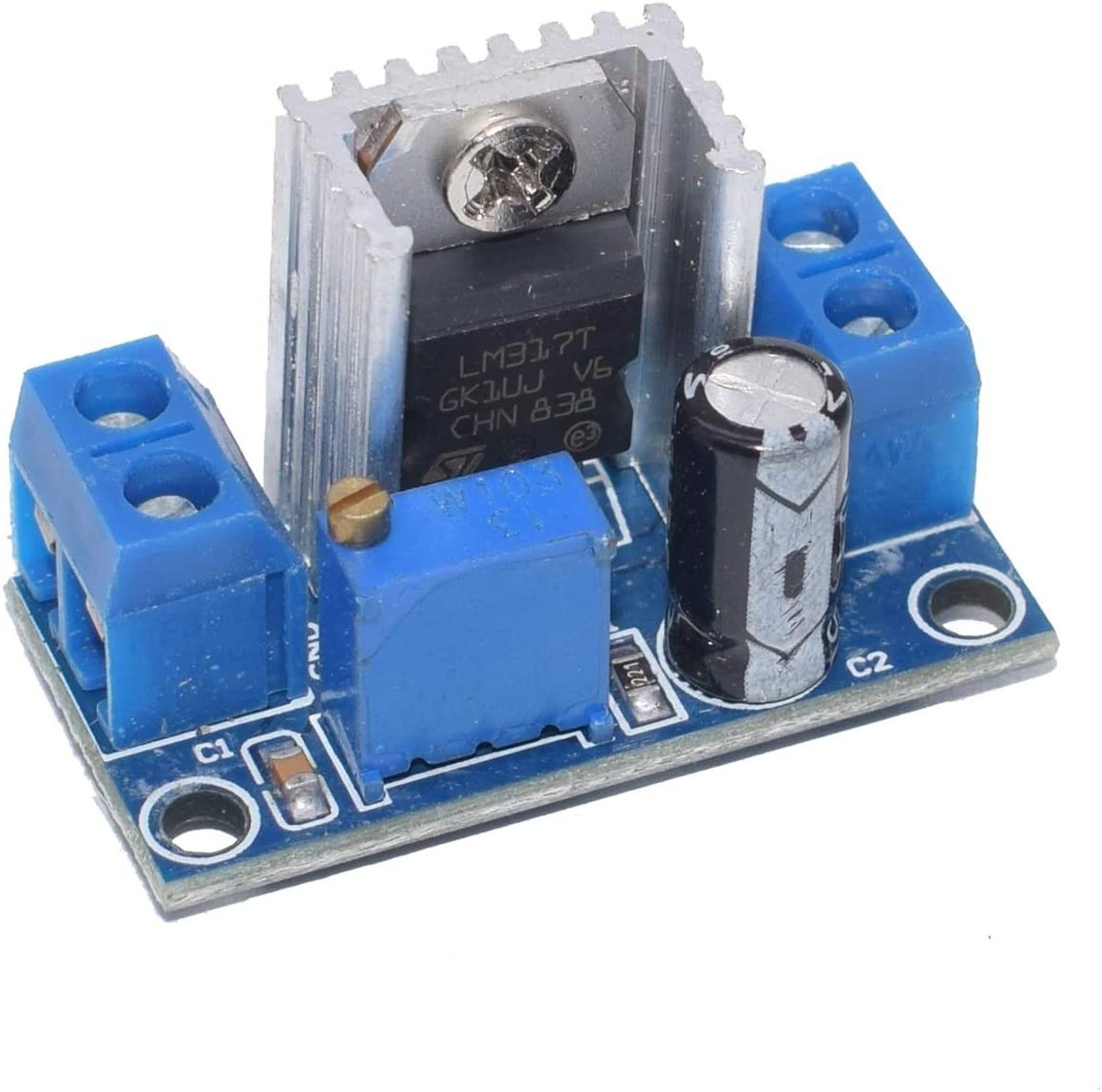
Durante nossa exploração, detalharemos a fiação, as especificações e os comportamentos esperados do módulo LM317. Para um entendimento mais claro, não deixe de conferir o vídeo nos timestamps especificados para orientação visual.
Hardware Explicado
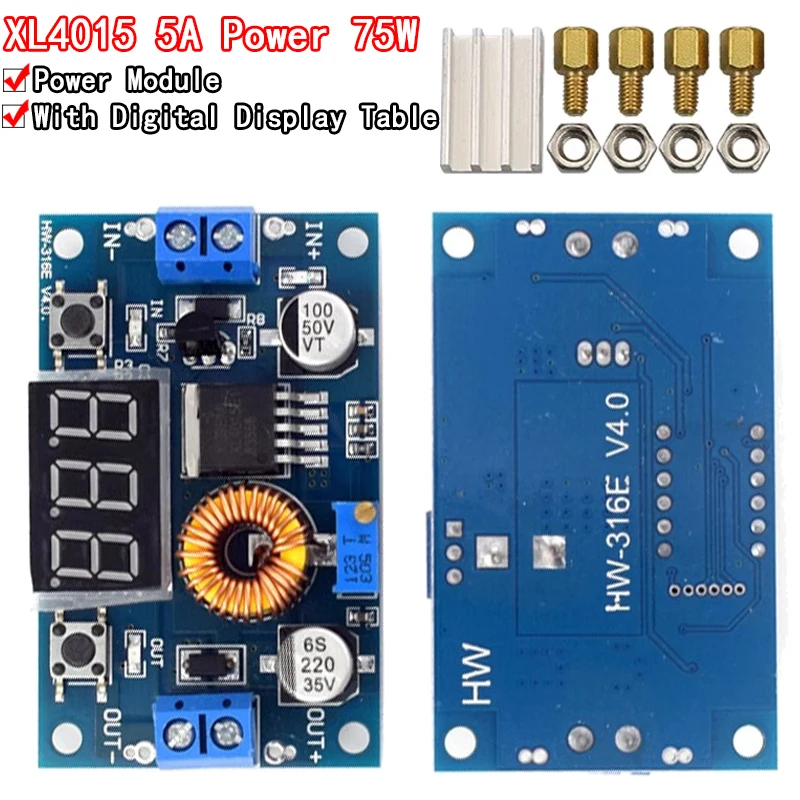
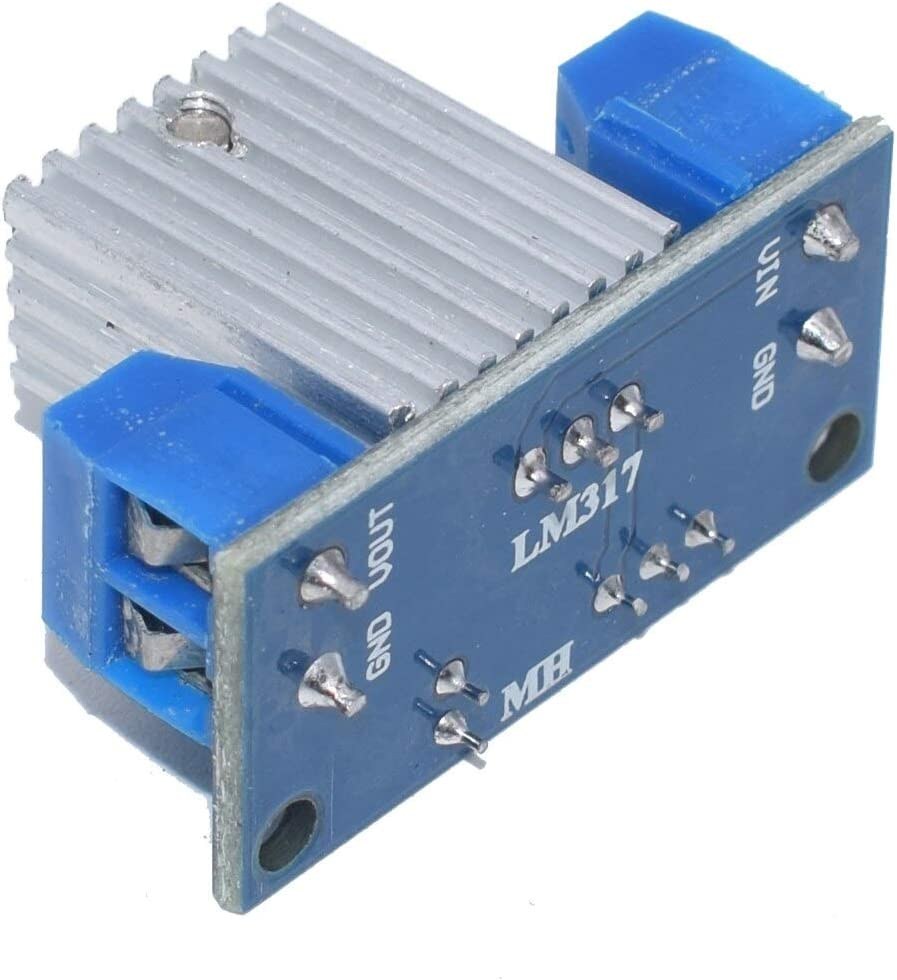
O LM317 é um regulador de tensão versátil que pode fornecer tensões de saída entre 1,25V e 37V, com uma corrente máxima de saída de 1,5A. Ele possui três terminais: entrada, saída e ajuste. O pino de ajuste funciona em conjunto com dois resistores e um potenciômetro para definir a tensão de saída desejada. Este módulo também inclui um dissipador de calor para gerenciar a dissipação térmica, o que é crucial durante a operação em correntes mais altas.
Ao usar este módulo, é essencial observar que a tensão de entrada não deve exceder 40V, e a saída é limitada a um máximo de aproximadamente 13,5V devido a restrições de design. O potenciômetro integrado permite ajustar finamente a tensão de saída, tornando o LM317 adaptável para várias aplicações.
Detalhes da Folha de Dados
| Fabricante | Texas Instruments |
|---|---|
| Número da peça | LM317T |
| Tensão lógica/IO | 1,25–37 V |
| Tensão de alimentação | 40 V máx. |
| Corrente de saída (por canal) | 1,5 A máx. |
| Corrente de pico (por canal) | 1,5 A |
| Orientação de frequência PWM | N/A |
| Limiares lógicos de entrada | N/A |
| Queda de tensão / RDS(on) / saturação | 3 V máx. (típ.) |
| Limites térmicos | Temperatura de junção de 150 °C |
| Encapsulamento | TO-220 |
| Notas / variantes | Vários encapsulamentos disponíveis |
- A tensão de entrada deve ser limitada a 40V máx.
- A tensão de saída é ajustável entre 1,25V e 13,5V.
- Garanta dissipação de calor adequada para correntes mais altas.
- Fique atento à proteção contra sobrecarga térmica que ativa em altas temperaturas.
- Use um potenciômetro para ajustar finamente a tensão de saída.
- Verifique a diferença de tensão entrada-saída para evitar superaquecimento.
- Tenha cuidado com a polaridade das conexões.
- Monitore a corrente de saída para permanecer dentro dos limites seguros.
Instruções de Fiação
A fiação do módulo LM317 é simples. Comece conectando a tensão de entrada ao terminal de entrada designado no módulo. Certifique-se de que essa tensão de entrada não exceda 40V. Em seguida, conecte o terminal de saída à sua carga, que pode ser um ventilador, sensor ou qualquer outro componente que exija tensão regulada.
Para o pino de ajuste, conecte-o ao potenciômetro e garanta que a outra extremidade do potenciômetro esteja conectada ao terra. Essa configuração permite ajustar a tensão de saída girando o potenciômetro. Certifique-se de verificar a polaridade das conexões; o módulo usa uma codificação de cores não padrão, onde o fio preto indica positivo e o fio vermelho indica negativo, então tome cuidado para evitar danos acidentais.
Demonstração / O Que Esperar
Ao testar o módulo LM317, você pode esperar que ele forneça uma tensão de saída estável quando a entrada estiver dentro da faixa especificada. É crucial monitorar a corrente de saída, pois exceder 0,5A pode levar a aquecimento significativo e possível desligamento térmico (no vídeo em 12:30). Os usuários devem evitar levar o módulo aos seus limites, especialmente em tensões de saída mais baixas com tensões de entrada altas, pois isso pode aumentar a dissipação de potência e a geração de calor.
Timestamps do Vídeo
- 00:00 Hardware explicado
- 04:21 Regulação de tensão é testada
- 07:41 Teste de carga na saída
Imagens
Coisas que você pode precisar
-
AmazonasPurchase 5pcs/10pcs LM317 regulator module from AliExpresss.click.aliexpress.com
-
Amazonas
-
AliExpressPurchase LM317 regulator module from AliExpresss.click.aliexpress.com
Recursos e referências
Ainda não há recursos.
Arquivos📁
Folha de dados (pdf)
-
Folha de dados do regulador LM317
lm317_regulator_datasheet.pdf2.34 MB