بررسی امتحان ماجیول تنظیمکننده ولتاژ DC LM317
در این آموزش، ما ماجیول تنظیمکننده ولتاژ LM317 را بررسی خواهیم کرد و قابلیتها و محدودیتهای آن را مورد مطالعه قرار میدهیم. این دستگاه معمولاً برای ارائه یک ولتاژ خروجی پایدار از یک ولتاژ ورودی متغیر استفاده میشود و آن را برای کاربردهای مختلف الکترونیکی مفید میسازد. ما محدوده ولتاژ ورودی و خروجی آن و همچنین ظرفیت مدیریت جریان آن را آزمایش خواهیم کرد.
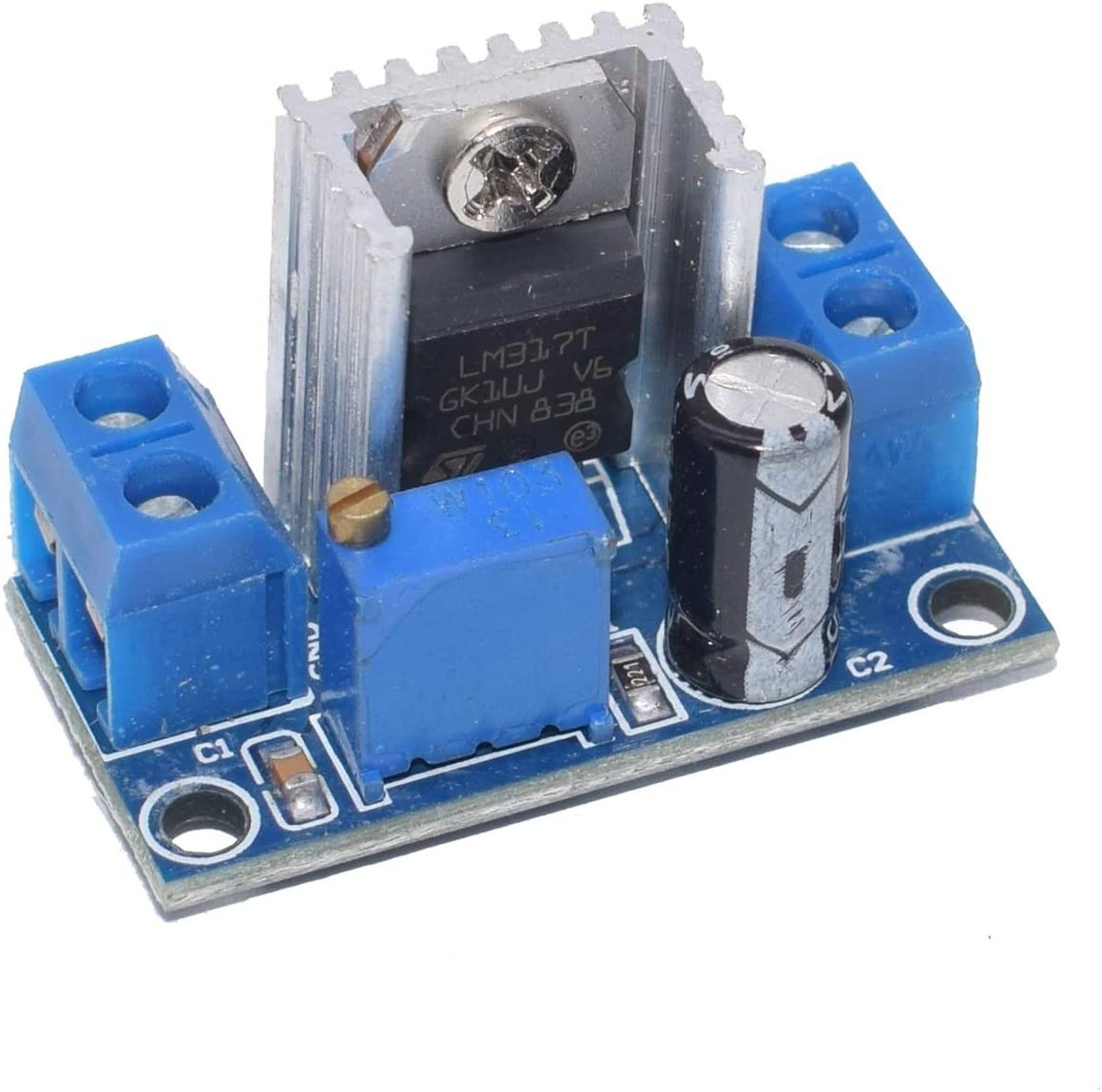
در طول بررسی ما، جزئیات سیمکشی، مشخصات فنی و رفتارهای مورد انتظار ماجیول LM317 را شرح خواهیم داد. برای درک بهتر، حتماً ویدیو را در زمانبندیهای مشخص شده برای راهنمایی بصری تماشا کنید.
توضیح سختافزار
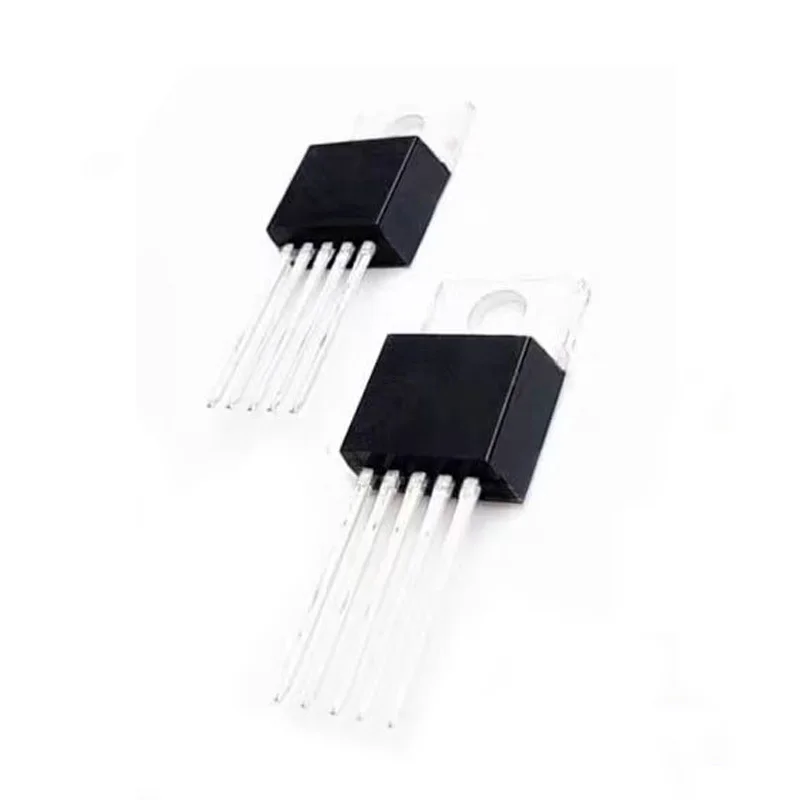
LM317 یک تنظیمکننده ولتاژ همهکاره است که میتواند ولتاژهای خروجی بین 1.25 ولت و 37 ولت را با حداکثر جریان خروجی 1.5 آمپر ارائه دهد. این دستگاه دارای سه پایه است: ورودی، خروجی و تنظیم. پایه تنظیم همراه با دو مقاومت و یک پتانسیومتر برای تنظیم ولتاژ خروجی مورد نظر کار میکند. این ماجیول همچنین شامل یک هیتسینک برای مدیریت اتلاف حرارتی است که در حین کار با جریانهای بالاتر بسیار مهم است.
هنگام استفاده از این ماجیول، توجه به این نکته ضروری است که ولتاژ ورودی نباید از 40 ولت تجاوز کند و خروجی به دلیل محدودیتهای طراحی به حداکثر تقریباً 13.5 ولت محدود میشود. پتانسیومتر روی برد امکان تنظیم دقیق ولتاژ خروجی را فراهم میکند و LM317 را برای کاربردهای مختلف قابل تطبیق میسازد.
جزئیات دیتاشیت
| سازنده | تگزاس اینسترومنتز |
|---|---|
| شماره قطعه | LM317T |
| ولتاژ منطق/IO | 1.25–37 ولت |
| ولتاژ تغذیه | حداکثر 40 ولت |
| جریان خروجی (در هر کانال) | حداکثر 1.5 آمپر |
| جریان پیک (در هر کانال) | 1.5 آمپر |
| راهنمای فرکانس PWM | نامعتبر |
| آستانههای منطق ورودی | نامعتبر |
| افت ولتاژ / RDS(on) / اشباع | حداکثر 3 ولت (معمولی) |
| محدودیتهای حرارتی | دمای اتصال 150 درجه سانتیگراد |
| بستهبندی | TO-220 |
| یادداشتها / انواع | بستهبندیهای مختلف موجود است |
- ولتاژ ورودی باید به حداکثر 40 ولت محدود شود.
- ولتاژ خروجی بین 1.25 ولت و 13.5 ولت قابل تنظیم است.
- برای جریانهای بالاتر از هیتسینک مناسب اطمینان حاصل کنید.
- مراقب فعال شدن حفاظت اضافهبار حرارتی در دماهای بالا باشید.
- برای تنظیم دقیق ولتاژ خروجی از پتانسیومتر استفاده کنید.
- اختلاف ولتاژ ورودی-خروجی را بررسی کنید تا از گرمای بیش از حد جلوگیری شود.
- در مورد قطبیت اتصالات محتاط باشید.
- جریان خروجی را برای ماندن در محدوده ایمن نظارت کنید.
دستورالعملهای سیمکشی
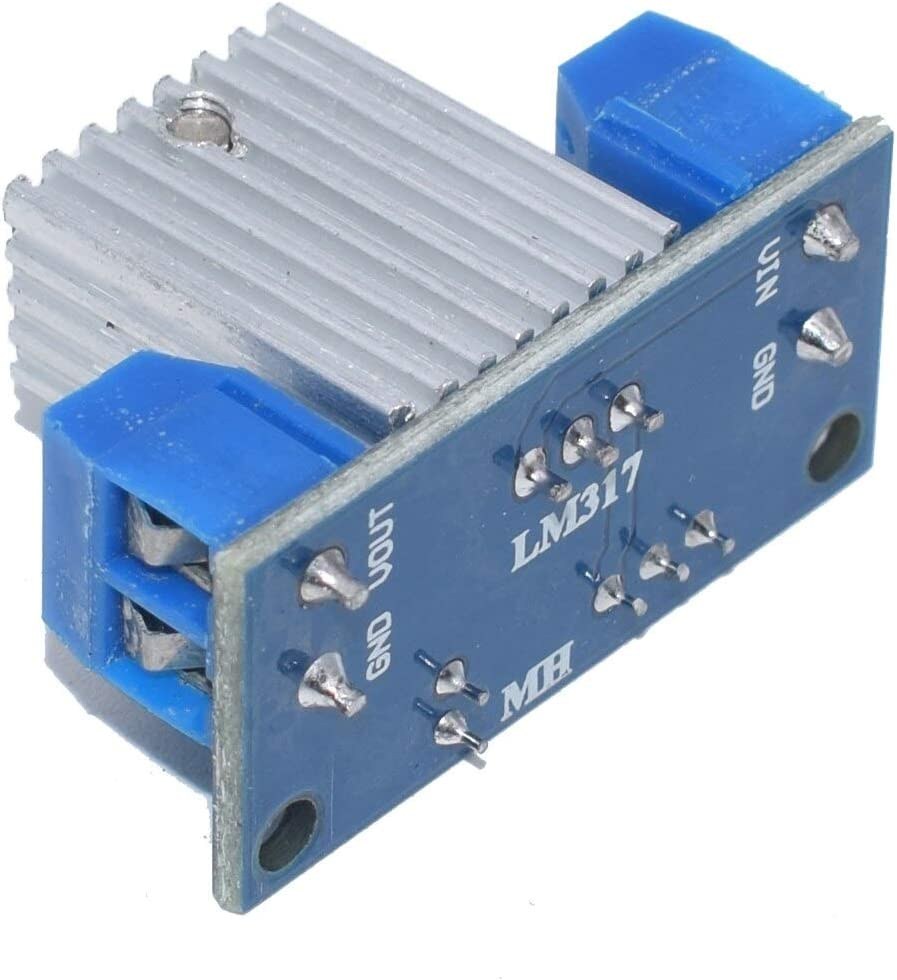
سیمکشی ماجیول LM317 ساده است. با اتصال ولتاژ ورودی به پایه ورودی تعیینشده روی ماجیول شروع کنید. اطمینان حاصل کنید که این ولتاژ ورودی از 40 ولت تجاوز نمیکند. سپس پایه خروجی را به بار خود که میتواند یک فن، حساس(حس کننده) یا هر جزء دیگری که به ولتاژ تنظیمشده نیاز دارد وصل کنید.
برای پایه تنظیم، آن را به پتانسیومتر وصل کنید و مطمئن شوید که انتهای دیگر پتانسیومتر به زمین متصل است. این تنظیم به شما امکان میدهد با چرخاندن پتانسیومتر ولتاژ خروجی را تنظیم کنید. حتماً قطبیت اتصالات را دوباره بررسی کنید؛ ماجیول از شِفر (کود) رنگی غیراستاندارد استفاده میکند که در آن سیم سیاه نشاندهنده مثبت و سیم قرمز نشاندهنده منفی است، بنابراین مراقب باشید تا از آسیب تصادفی جلوگیری کنید.
نمایش / چه انتظاری داشته باشید
هنگام آزمایش ماجیول LM317، میتوانید انتظار داشته باشید که وقتی ورودی در محدوده مشخصشده است، ولتاژ خروجی پایداری ارائه دهد. نظارت بر جریان خروجی بسیار مهم است، زیرا تجاوز از 0.5 آمپر میتواند منجر به گرمایش قابل توجه و خاموشی حرارتی احتمالی شود (در ویدیو در 12:30). کاربران باید از فشار دادن ماجیول به محدودیتهای آن اجتناب کنند، بهویژه در ولتاژهای خروجی پایین با ولتاژهای ورودی بالا، زیرا این امر میتواند اتلاف توان و تولید گرما را افزایش دهد.
زمانبندیهای ویدیو
- 00:00 توضیح سختافزار
- 04:21 تنظیم ولتاژ آزمایش میشود
- 07:41 آزمایش بار خروجی
تصاویر
مواردی که ممکن است به آنها نیاز داشته باشید
-
آمازونPurchase 5pcs/10pcs LM317 regulator module from AliExpresss.click.aliexpress.com
-
آمازون
-
علیاکسپرسPurchase LM317 regulator module from AliExpresss.click.aliexpress.com
منابع و مراجع
هنوز هیچ منبعی موجود نیست.
فایلها📁
برگه مشخصات (pdf)
-
LM317 regulator datasheet
lm317_regulator_datasheet.pdf2.34 MB