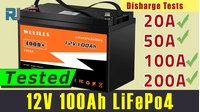
Review of Wulills 12V 100Ah LiFePO4 Lithium Battery Discharge Tests at 20A, 10A, 50A, 100A and 200A
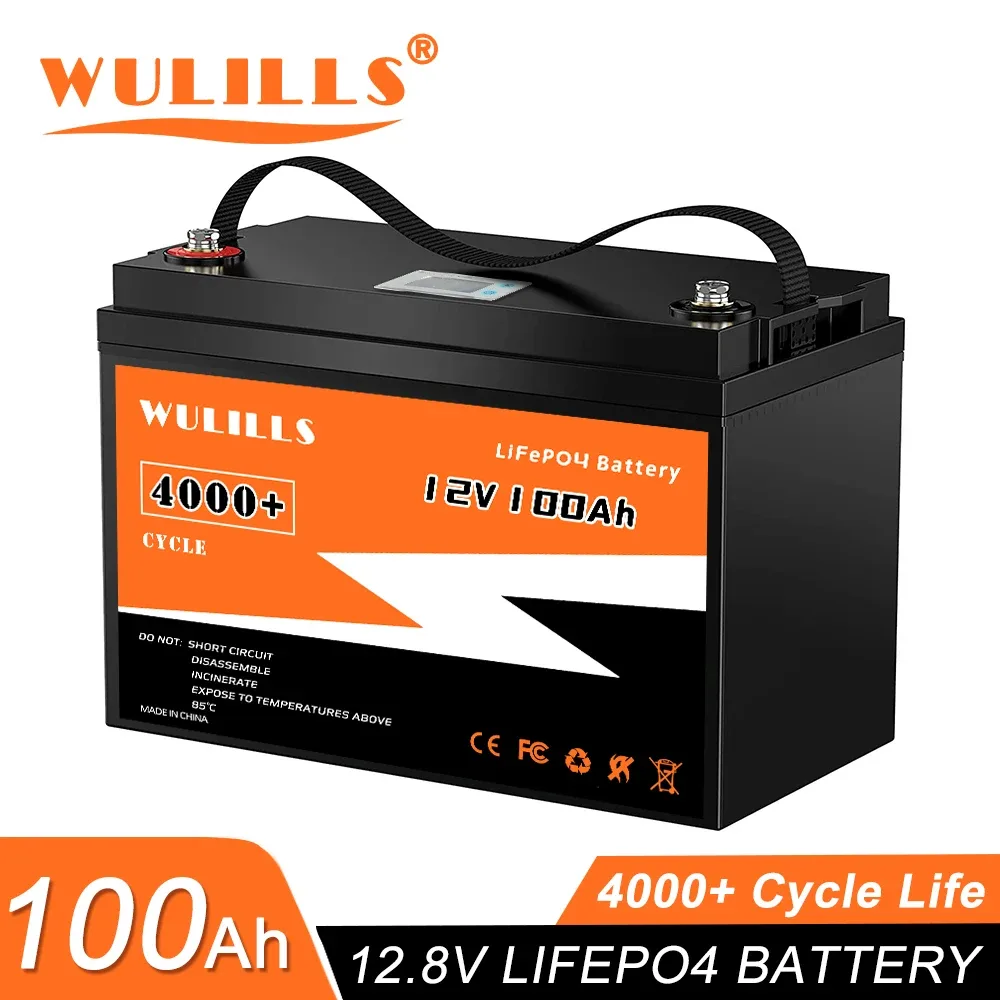
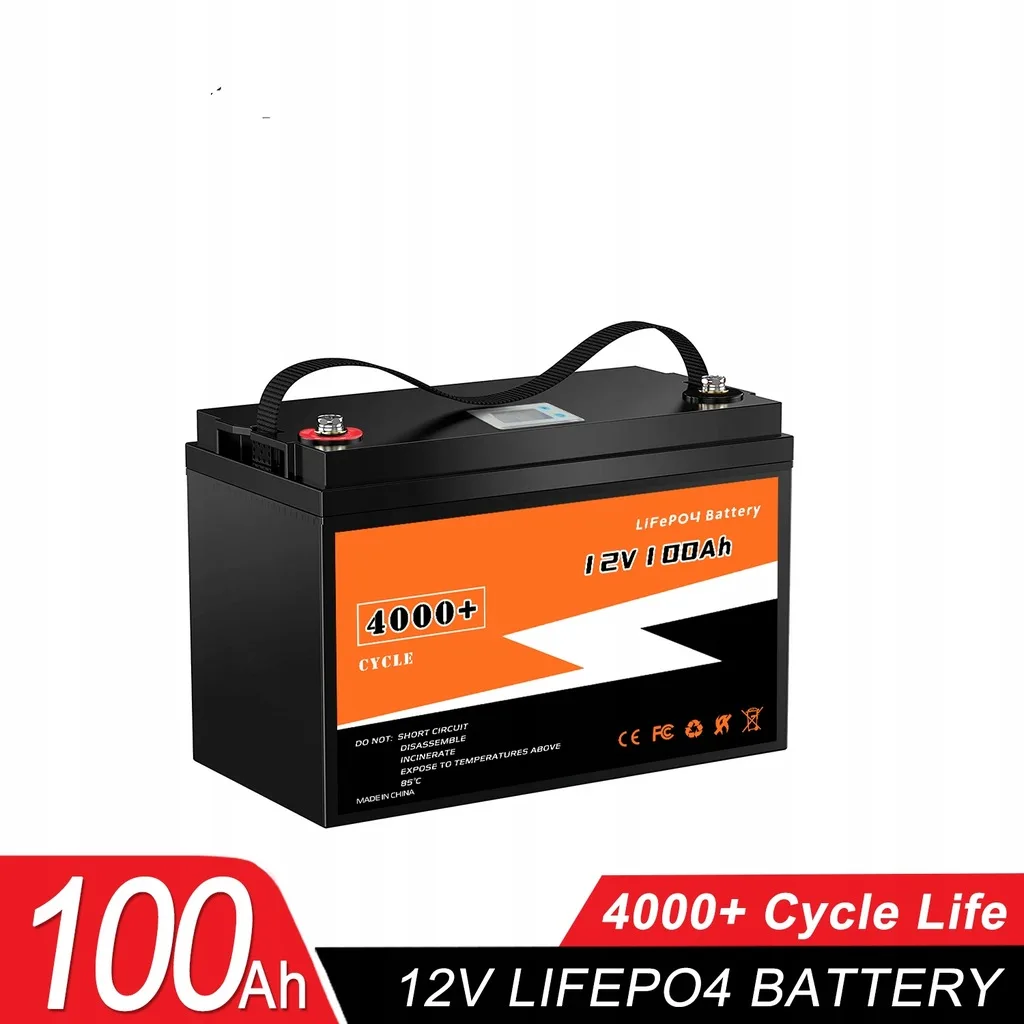
This project guide walks you through a comprehensive, real-world performance evaluation of a Wulills 12V 100Ah LiFePO4 (Lithium Iron Phosphate) battery. Instead of just reading the spec sheet, we put the battery through a rigorous series of discharge tests at various rates (10A, 20A, 50A, 100A, and a 200A burst) to measure its true usable capacity. We also test the built-in Battery Management System (BMS) protections, including a short circuit test, and demonstrate proper charging techniques. This guide is perfect for anyone considering a LiFePO4 battery for an off-grid solar setup, RV, marine application, or as a reliable power station, as it provides the critical data needed to understand real-world performance versus manufacturer claims.
This battery is ideal for a variety of practical applications where reliable, deep-cycle power is essential. Here are a few examples of what you can build or power with it:
- Off-Grid Solar Storage: Create a robust energy storage system for a cabin, shed, or tiny home, storing solar energy during the day for use at night.
- RV and Van-Life Power: Build a house battery bank to run appliances, lights, and electronics reliably while on the road, without the weight and maintenance of lead-acid batteries.
- Emergency Backup Power: Construct a whole-home or critical-load backup system that can keep your refrigerator, internet, and medical devices running during a power outage.
- Marine Trolling Motor Battery: Use it as a high-capacity, lightweight power source for an electric trolling motor on a fishing boat or small watercraft.
- Portable Power Station for Tools: Build a mobile power unit for powering tools and equipment at a job site or in a remote location where grid power is unavailable.
-

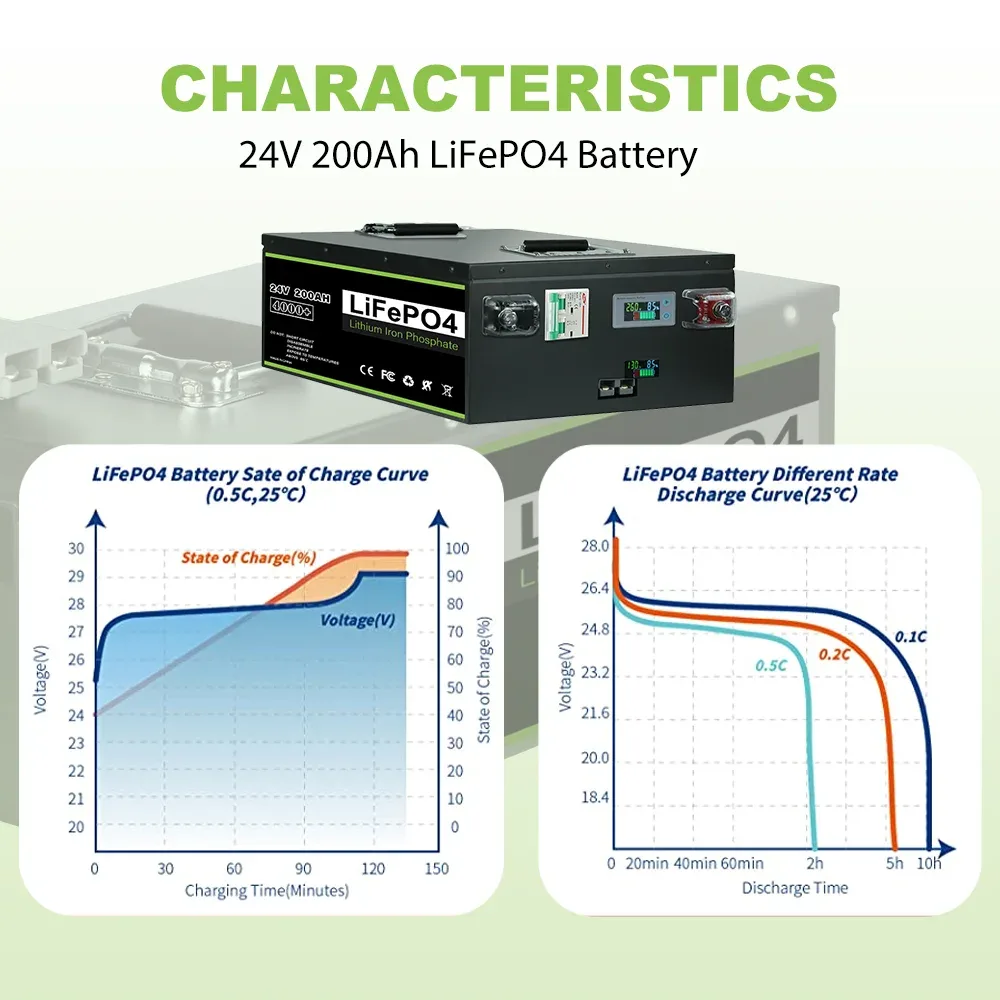
Wulills 12V 100Ah LiFePO4 Lithium Battery specs
Test equipments
To replicate the tests and use the battery effectively, you'll need the following key components. The core of the project is the battery itself, but the testing equipment is crucial for understanding its performance.
- Wulills 12V 100Ah LiFePO4 Battery: The device under test. It features a built-in 4S 100A BMS, an M8 terminal, and a built-in voltage/capacity meter.
- Electronic Load: A programmable DC electronic load is essential for conducting the constant-current discharge tests. The one used in the video can handle up to 200A and logs data via software.
- Power Supply with CV/CC: A bench power supply with Constant Voltage (CV) and Constant Current (CC) modes is used for controlled charging. The one shown can supply up to 30V and 60A.
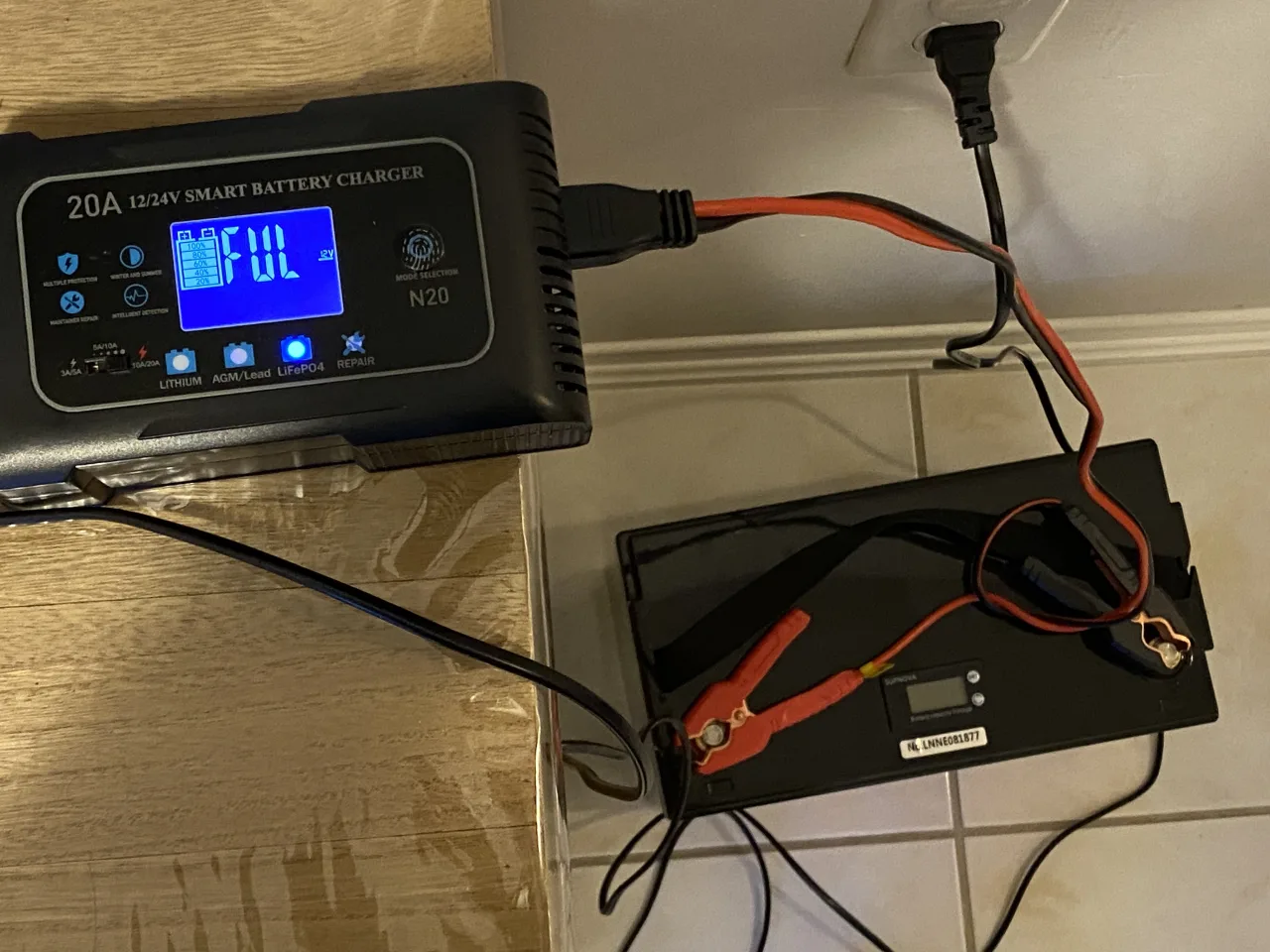
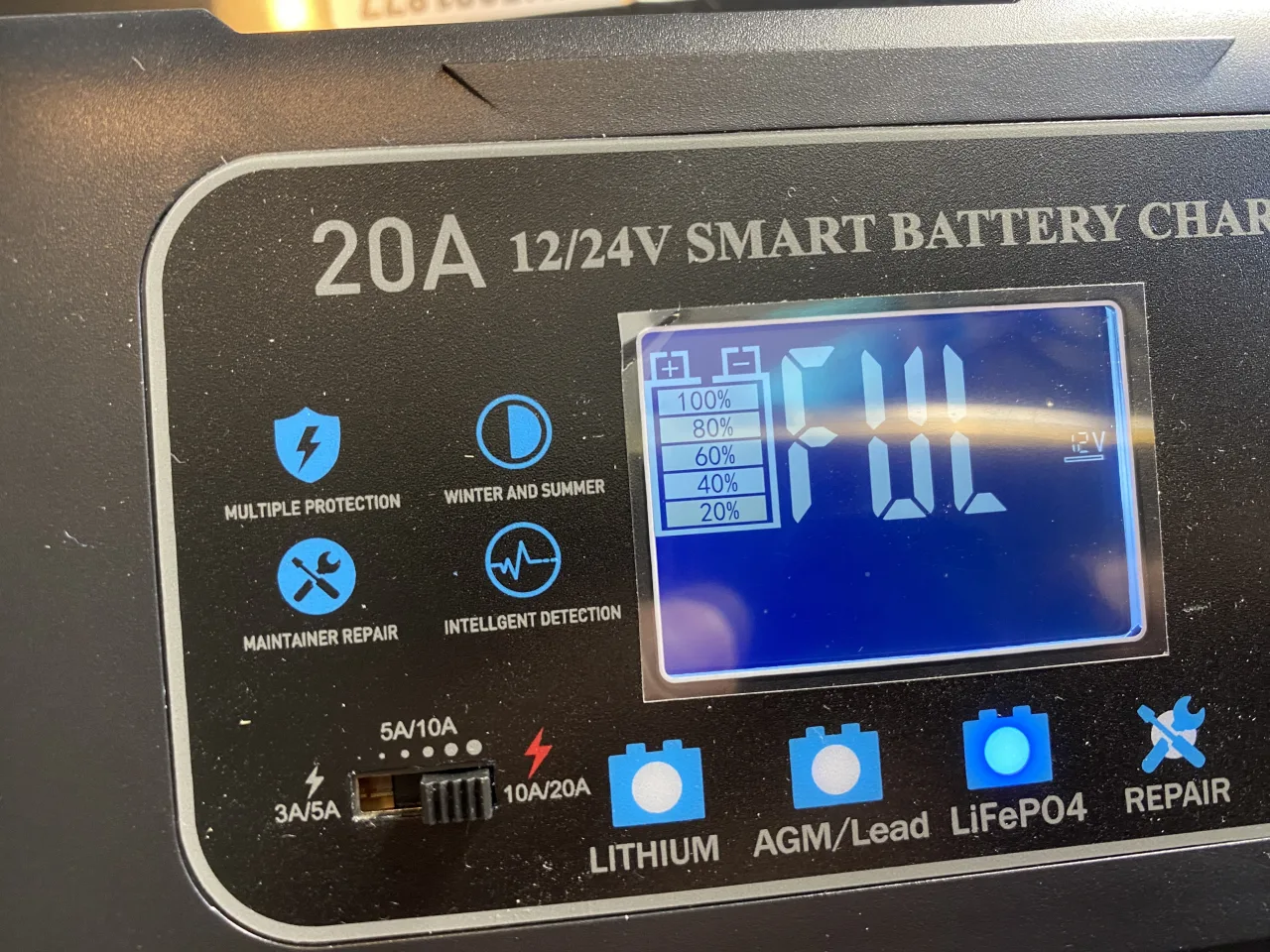
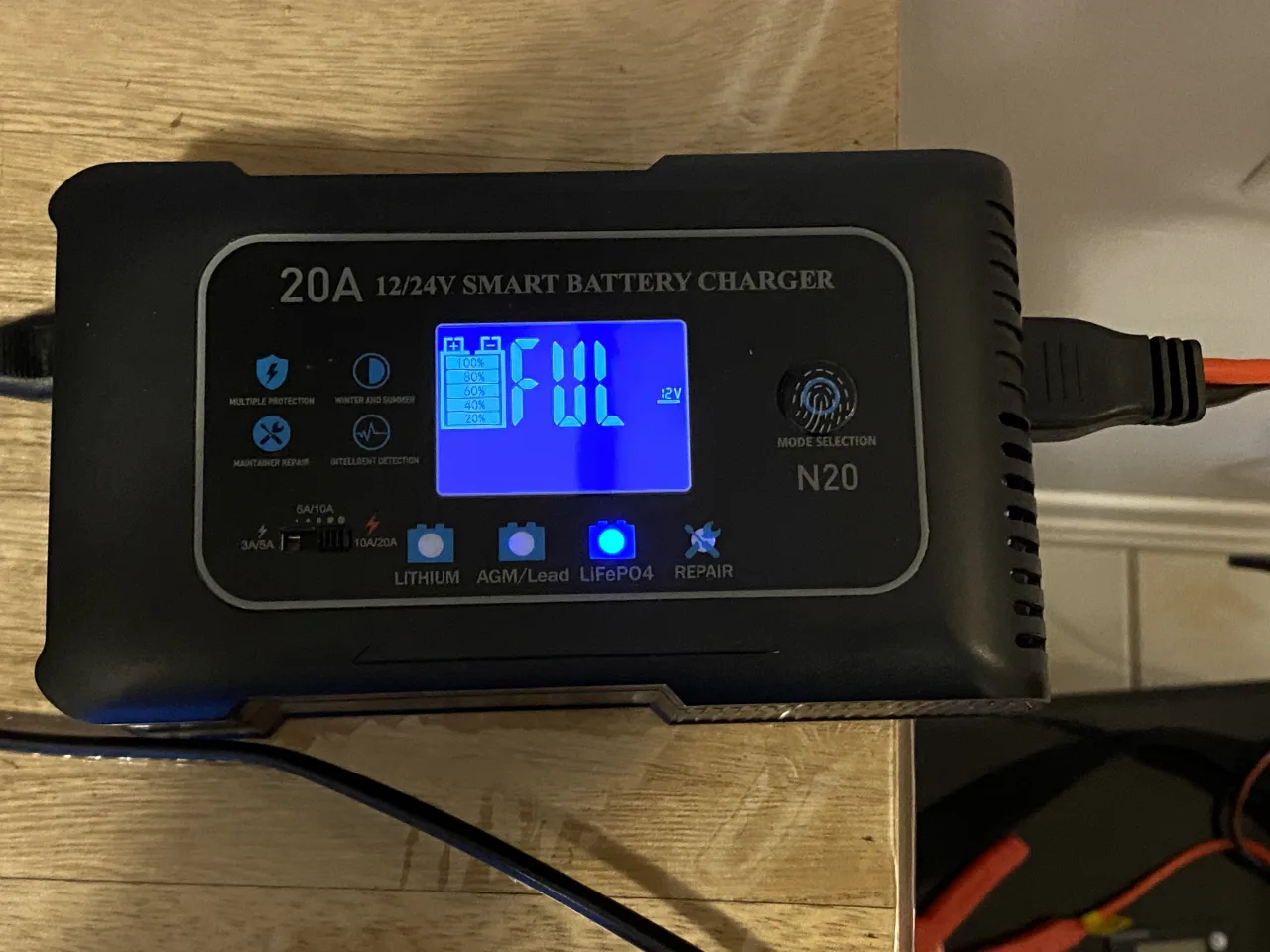
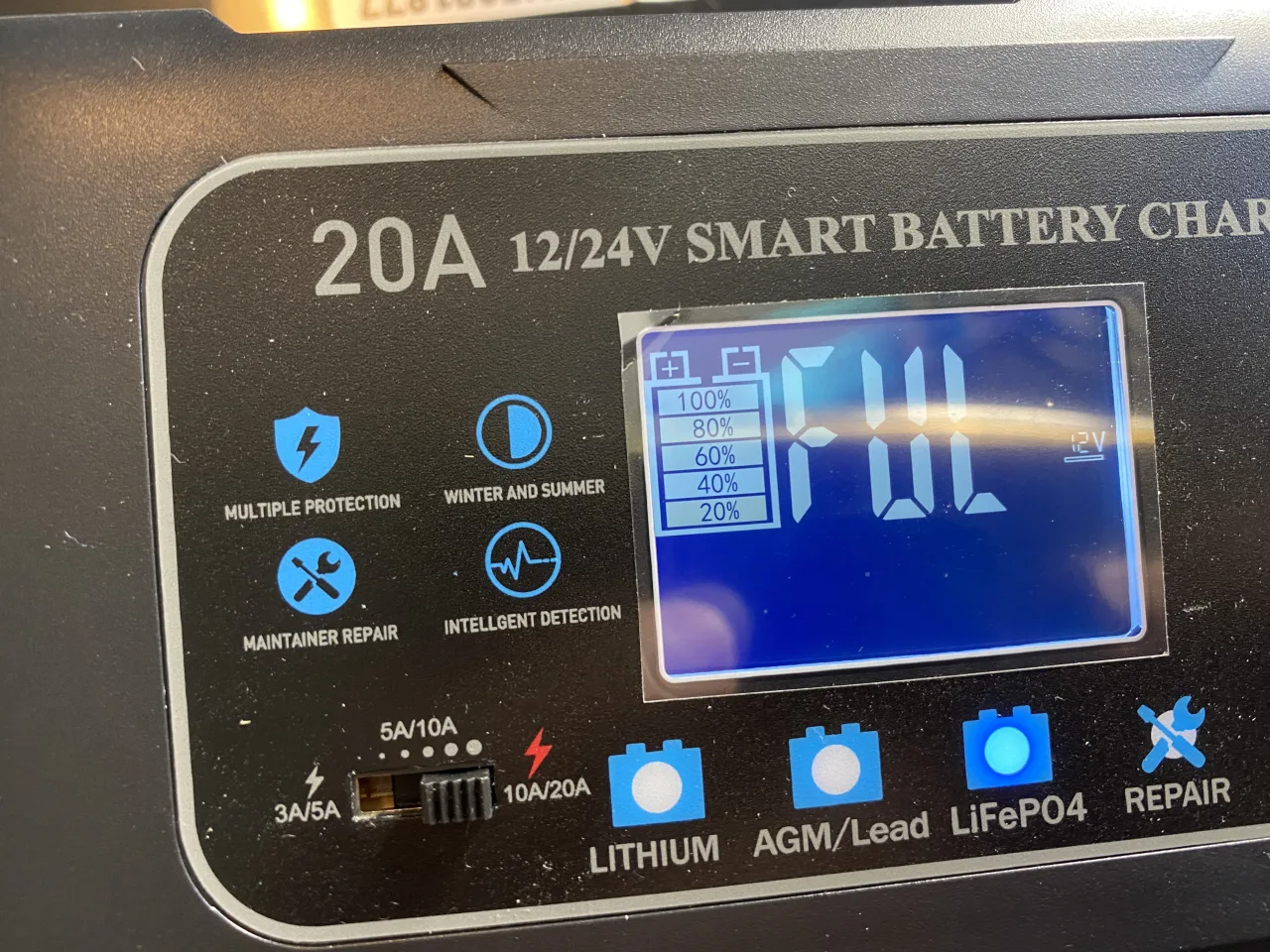
- Smart Battery Charger: An alternative to a bench power supply, a smart charger (like the D20) can automatically handle the charging profile for LiFePO4 batteries.
- 4 AWG Wire: Heavy-gauge wire is used for all high-current connections between the battery, load, and power supply to minimize resistance and voltage drop.
- Clamp Meter: An accessory clamp meter (like the Uni-T 402+) is used to independently verify the current being drawn or supplied.
Wiring Guide
The video transcript emphasizes the critical importance of proper wiring for high-current tests. The key is to minimize resistance and ensure accurate measurements. The setup is straightforward but must be robust.
For the discharge tests, the battery's positive and negative terminals are connected to the electronic load using heavy 4 AWG wires. To handle currents above 100A, two 4 AWG wires are used in parallel for both the positive and negative connections. Crucially, separate, smaller "sense" wires are connected directly to the battery terminals and run to the electronic load's voltage sensing inputs. This 4-wire (Kelvin) connection ensures that the voltage drop across the main high-current wires does not affect the voltage measurement, providing accurate data for capacity calculations.
Key parameters that were set on the equipment are:
- Discharge Current: The electronic load was set to constant current (CC) mode at various rates: 10A, 20A, 50A, 100A, and 200A.
- Discharge Cut-off Voltage: The load was set to stop the test at a specific voltage or capacity. In this case, the stopping condition was set to 100Ah, but the battery's internal BMS typically cut off the discharge first at around 10.7V.
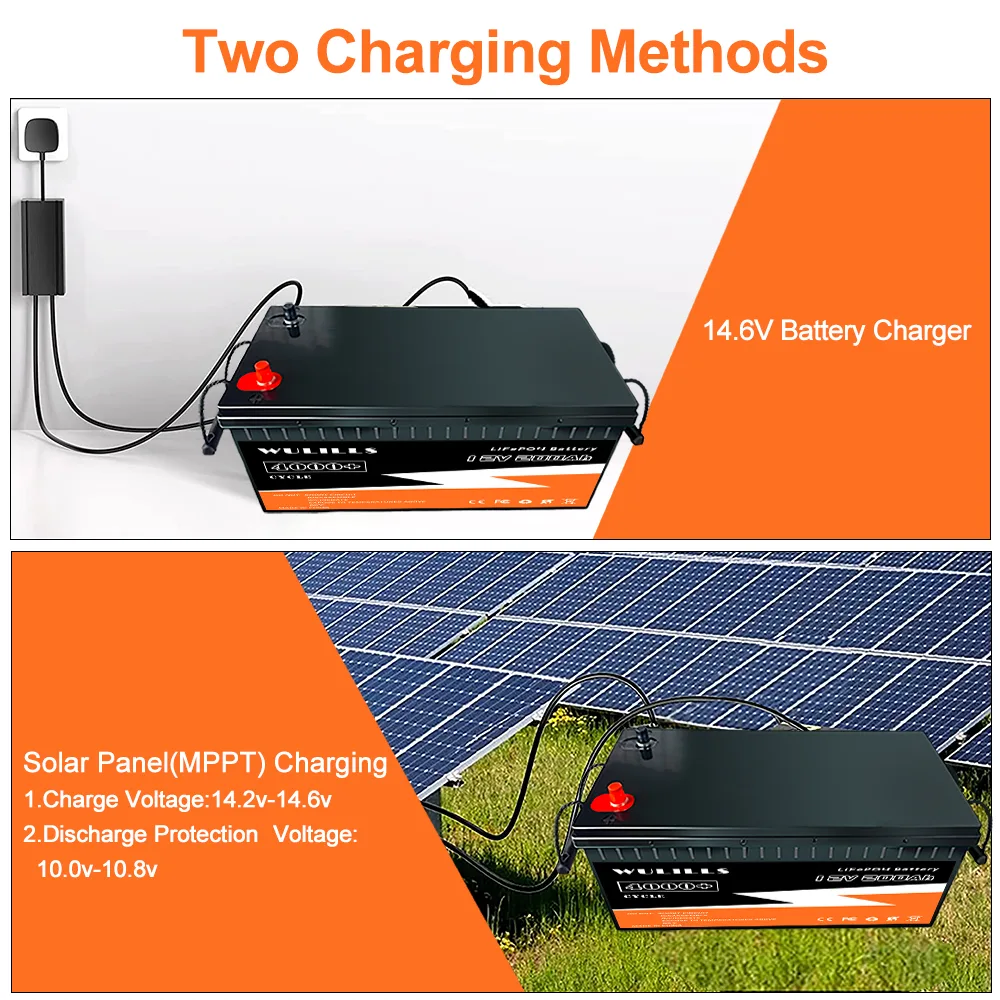
- Charge Voltage: The power supply was configured for a Constant Voltage (CV) charge with a maximum voltage of 14.6V, which is the specified charge voltage for this 12V LiFePO4 battery.
- Charge Current: The power supply's Constant Current (CC) limit was set to the desired charge rate, which was varied between 20A and 50A to test the battery's acceptance.
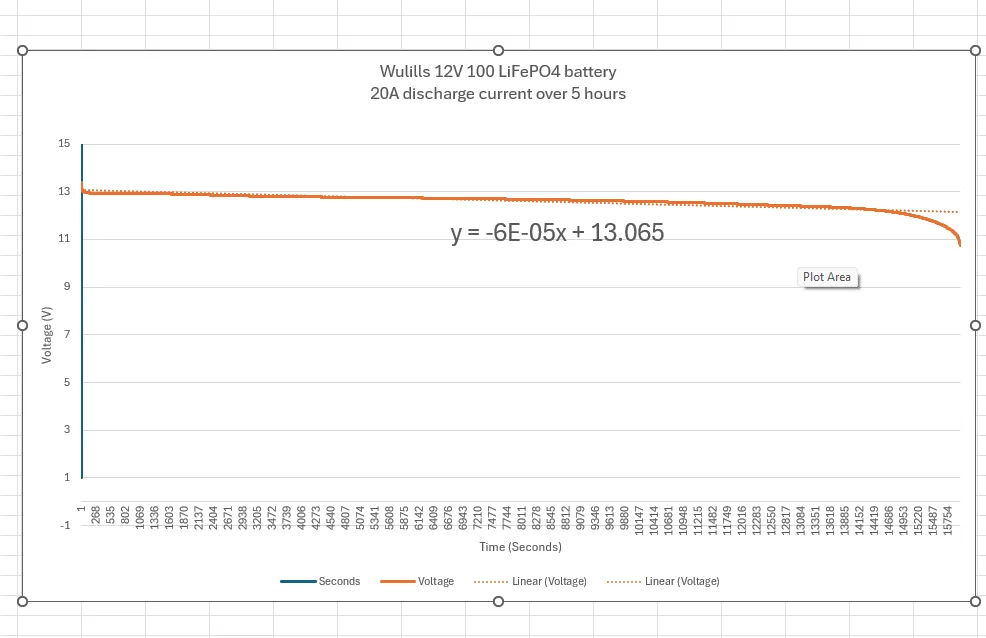
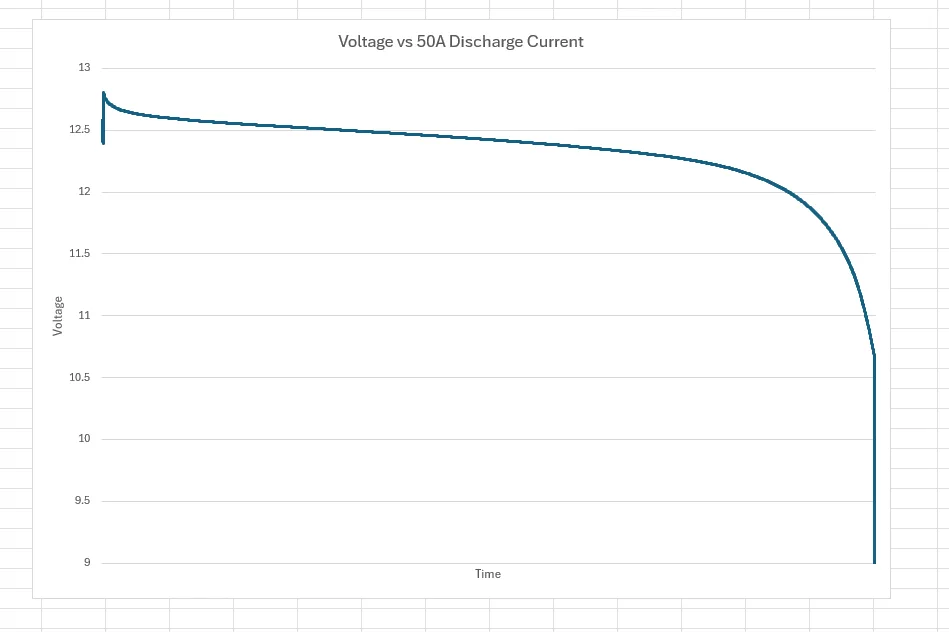
The data logging software for the electronic load records time, voltage, current, power, and capacity into a CSV file, which is then analyzed using spreadsheet software to generate the voltage vs. capacity plots shown in the video.
Live Project and Demonstration
The video transcript details a series of live tests performed on the battery. The primary goal was to measure the actual usable capacity at different discharge rates and to verify the functionality of the internal BMS.
Discharge Tests: The battery was discharged at 20A, 10A, 50A, and 100A to measure its capacity. The results were as follows:
- 20A Discharge: The battery delivered 89.7Ah before the BMS cut off at 10.75V, which is about 90% of its rated capacity. (in video at 13:29)
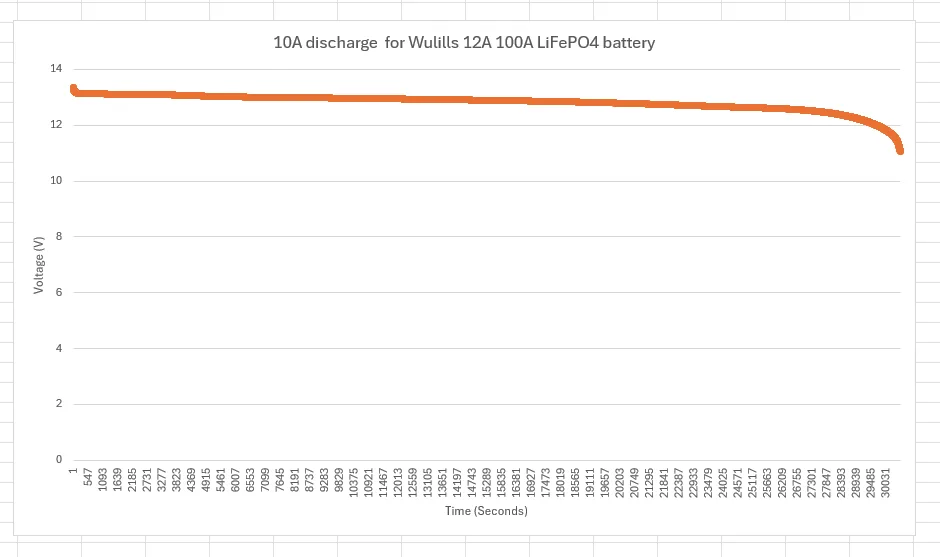
- 10A Discharge: A slightly higher capacity of 90.5Ah was achieved, stopping at 11.76V. (in video at 15:34)
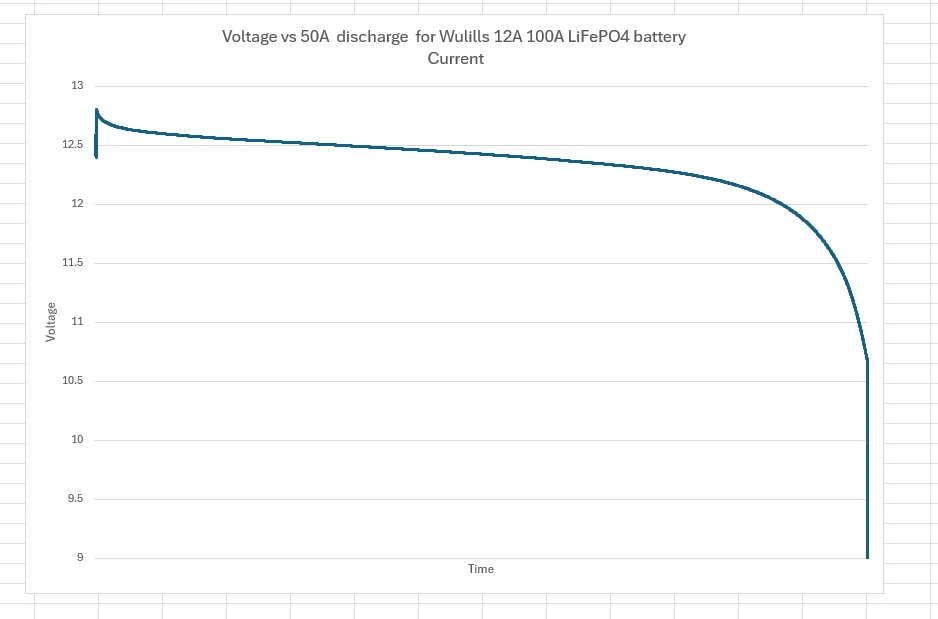
- 50A Discharge: The capacity dropped to 86.6Ah, with the BMS cutting off at 10.68V. (in video at 17:33)
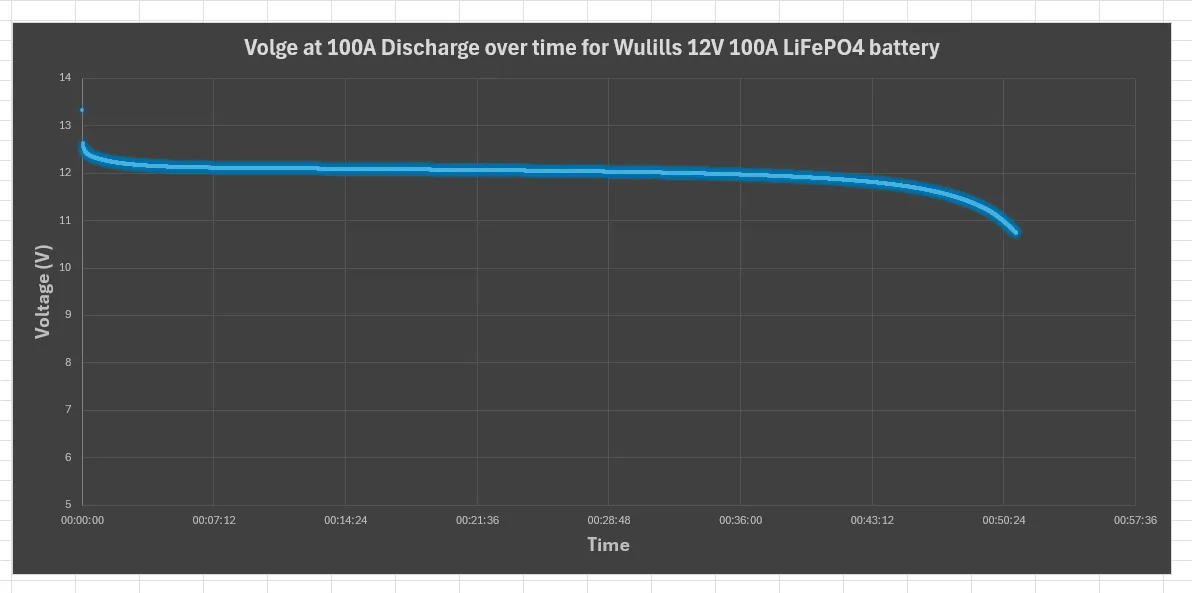
- 100A Discharge: At this high 1C rate, the battery delivered 85.1Ah before the test stopped at 10.73V. (in video at 19:30)
- 200A Burst Test: The battery successfully handled a 200A load for the specified 3 seconds, with the voltage sagging to 11.7V but recovering immediately when the load was reduced. (in video at 20:59)
Short Circuit Test: The battery's BMS protection was tested by directly shorting the output. The BMS immediately cut off the current, protecting the battery. The battery was then revived by momentarily connecting a charger, which reset the BMS. (in video at 23:12)
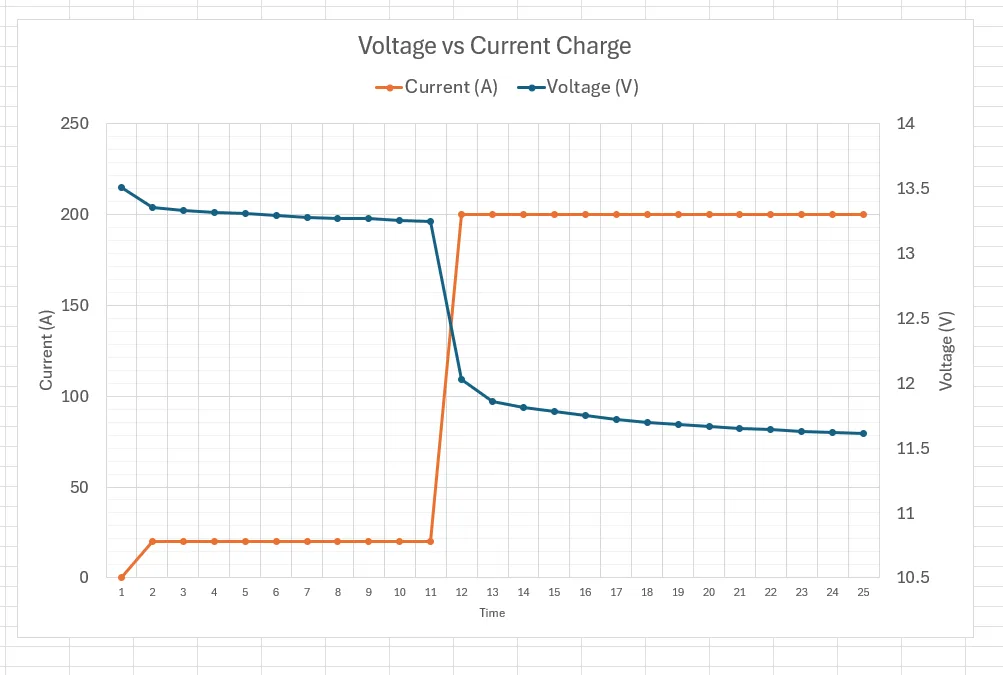
Charging: The battery was charged using both a smart charger and a bench power supply set to 14.6V. The charging process was monitored, and the battery accepted current at the set rates, with the voltage rising and current tapering off as it approached full charge. (in video at 05:51)
Tests plots
Chapters
- [00:00] Introduction and Test Plan
- [00:44] Battery Overview and Key Specifications
- [03:14] Understanding the "C" Rating (0.2C)
- [04:14] Charging with a Smart Charger
- [05:59] Charging with a Bench Power Supply
- [09:43] Discharge Testing: Depth of Discharge (DOD) & Setup
- [11:07] 20A Discharge Test and Results
- [14:17] 10A Discharge Test and Results
- [16:15] 50A Discharge Test and Results
- [18:13] 100A Discharge Test and Results
- [20:03] 200A Burst Test
- [22:38] Short Circuit Test and BMS Reset
- [23:59] Conclusion and Final Thoughts
Immagini
Cose di cui potresti avere bisogno
-
AliExpressBuy Wulills 12V 100Ah LiFePO4 battery from AliExpresss.click.aliexpress.com
-
AliExpressBuy Wulills 12V 100Ah LiFePO4 battery from AliExpress-2s.click.aliexpress.com
-
AliExpressUNI-T UT204 AC/DC clamp meter on AliExpresss.click.aliexpress.com
-
AliExpressUNI-T UT204 AC/DC clamp meter on AliExpress-2s.click.aliexpress.com
-
AliExpress
-
AliExpress
-
AliExpress
Risorse e riferimenti
Nessuna risorsa ancora.
File📁
Altri file
-
20240529-Wu12V100Ah-Dicharge-50A
20240529-Wu12V100Ah-Dicharge-50A.csv0.35 MB -
BatteryDischarge-10A
BatteryDischarge-10A.csv1.99 MB -
BatteryDischarge-20_B4_200A
BatteryDischarge-20_B4_200A.csv1.03 MB -
BatteryDischarge-20A-with-sensing
BatteryDischarge-20A-with-sensing.csv0.94 MB -
BatteryDischarge-50A
BatteryDischarge-50A.csv0.37 MB -
BatteryDischarge100A-full
BatteryDischarge100A-full.csv0.07 MB -
BatteryDischarge-200A
BatteryDischarge-200A.csv0.01 MB -
BatteryDischarge-200A-longer
BatteryDischarge-200A-longer.csv